

.png)
Jewelry parts manufacturers face a unique set of challenges: complex product catalogs, varying material costs, fluctuating metal prices, large orders with many SKUs, and buyers who expect precision, reliability, and fast reordering. As more manufacturers shift to digital wholesale channels, Shopify, especially Shopify Plus, has become one of the most capable platforms for managing B2B distribution.
Below is a practical breakdown of how jewelry parts suppliers use Shopify to serve distributors, retailers, studios, repair shops, and custom jewelry businesses.
Jewelry parts catalogs can include thousands of micro-components: findings, chains, clasps, settings, beads, metals, plating options, and gauges. Buyers need to quickly locate the exact variation they use in production.
Shopify supports:
For large B2B catalogs, filters ensure buyers shop efficiently without navigating long category pages.
B2B buyers require precise technical data before placing large volume orders. Shopify’s metafields allow manufacturers to store structured information such as:
For instance, Stuller presents its components with a clear spec table that includes information akin to: weight, solidity, surface finish, plating type, prong count and other relevant attributes.
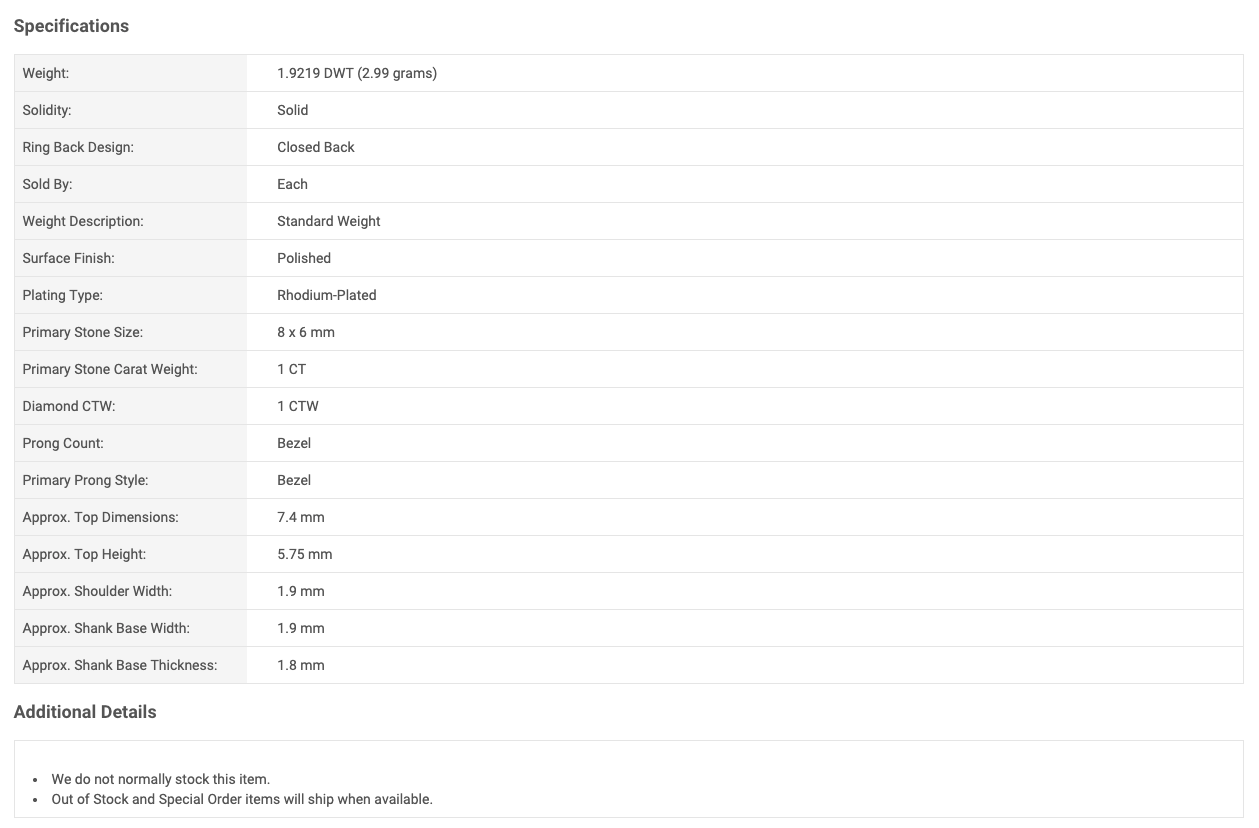
Detailed product pages reduce support questions and build trust with wholesale partners.
Manufacturers often use tiered pricing based on:
Shopify Plus B2B natively supports price lists, customer-specific pricing, and per-company discount structures. Jewelry parts suppliers can set rules such as:
Pricing is shown instantly once the buyer logs in.
B2B jewelry buyers often need:
Shopify supports custom fields, product options, and workflows that store these requirements on the order. For complex configurations, custom apps or scripting can automate calculations for weight, plating cost, or custom variants.
Many jewelry parts manufacturers use RFQ workflows for large, custom, or high-metal–value orders. Shopify can support RFQs by:
This works particularly well for high-value gold-filled or sterling silver components.
Manufacturers frequently send physical samples so buyers can test fit, finish, or compatibility. Shopify can automate sample workflows through:
This reduces the back-and-forth over email.
Shopify Plus B2B allows:
This mirrors how real purchasing teams work in retail chains or studios.
Jewelry manufacturers can display delivery estimates based on:
Shopify apps or custom logic can show lead times upfront, improving the purchasing experience for high-volume customers.
B2B buyers often order the same SKUs repeatedly. Shopify supports:
Perfect for studios or retailers replenishing parts regularly.
Jewelry suppliers often offer:
Shopify Plus handles this with B2B payment terms and company-specific checkout rules.
Shipping costs vary depending on weight, value, and insurance requirements. Manufacturers can offer:
Shipping calculations can be customized for B2B accounts using Shopify Plus.
Wholesale buyers frequently schedule orders around production timelines. Shopify supports order scheduling by:
This is highly valuable for planners who need materials delivered in sync with their manufacturing schedule.
Manufacturers reward their best buyers with:
Shopify loyalty apps integrate seamlessly with B2B portals.
Jewelry suppliers sometimes offer:
Shopify metafields and custom order forms can capture these requirements easily.
Many manufacturers hide wholesale pricing or the entire catalog behind account approval. Shopify Plus supports:
A great example of this is Stuller, one of the most well-established jewelry parts suppliers.
On Stuller’s site, pricing is only visible when you are logged in as an approved wholesale customer. Guests can view product details and specifications, but they cannot see pricing until their business account is verified.
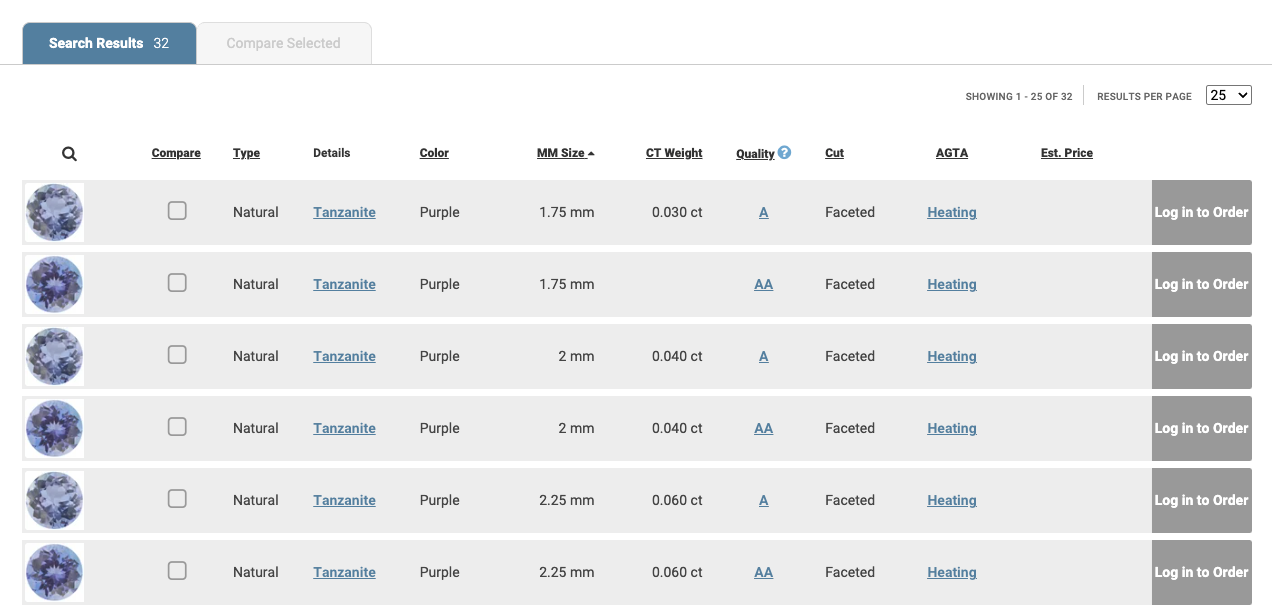
This gives manufacturers full control over who sees what.
This is exactly the type of gated-access structure that Shopify Plus enables natively through Shopify B2B features, without custom apps or complicated workarounds.
In addition to parts distribution, many jewelry manufacturers offer custom small-batch or made-to-order production. Shopify supports:
This makes Shopify not just an ordering portal but an end-to-end manufacturing interface.
Shopify Plus merchants gain full control over checkout using Checkout Extensibility and the native Checkout Blocks app. This is essential for wholesale operations.
For jewelry manufacturers, this reduces errors and ensures buyers submit correct information for their own internal procurement processes.
Manufacturers benefit from Shopify because it solves the core problems they face daily:
With Shopify Plus, the B2B experience becomes even more powerful and tailored to how professional buyers actually work.

.png)
